

Creator

Is everyone a Creator?
I think of this question while I am scrolling on my phone, waiting for the bus. In a couple of minutes, I’ve got someone who shares headlines from across the world; someone who shares marketing insights; someone who shares another AI article; a daily vlog is also in here and, someone who shares their knowledge on beekeeping. I’m involved in each of these stories and love the diversity of voice, but I can’t help but wonder: is this who we are now?
Not so long ago.
The late 90s and early 2000s was the birth of blogging or as I believe the beginning of the Creator era. While I never managed to create a blog (even though I obviously wanted to!), everyone I knew was blogging as a teenager. It was like the early days of documenting your days and interests and what we now call daily or weekly vlogs. Some of the photos used were taken by them and some of them were just off the internet because Google Search had taken off by then. IP was never in question because there was no way to find out in those days and the ethics of the internet were still being drawn.
These early days of blogging also coincided with the early days of social networks; MySpace and Orkut among others which slowly became a mainstay in the online world. Orkut especially was pretty popular for testimonials (you remember them?). The good ol’ days of referrals. Online social networks were creating a new way for my friends and me to engage with people across the world. The good, bad and ugly were all being slowly discovered. Then in February 2004 a new social network took over the world. Invite only, starting from Harvard and then moved to Stanford, Columbia and Yale and needed a .edu email address to be on. About two and a half years later in Sept 2006, what is now known as Facebook, opened up to most of the world. As an early user, I really loved Facebook and spent an inordinate amount of time on it. I’d always known I was social but suddenly, everyone else did too. My ‘wall’ was shared with my friend list – so I was very particular about having only the good stuff on there. I was closely curating my life and I posted the things that I wanted people to see. My friends and I (and perhaps many of you) were also performing to create a social image. While I can’t fully say if this was the beginning of performative culture, it was slowly catching up on social platforms. Who you knew on Facebook also started holding a lot of value which then began the network = net worth phenomenon that is now taking hold of the world.
When I first started using Instagram and Twitter (I’m clearly an early adopter1), I really enjoyed sharing my perspective and seeing everyone’s perspective. I slowly started to notice the same performative culture in all of these platforms. I believe that for most people, social networks became a curation of their image in their private circles. Sharing how many places you travelled to, how many parties you’re invited to, who you hang out with, which brands you wear and carry became a sort of new normal. I don’t recollect anyone knowing this sort of information anytime when I was growing up but it is now extremely common in the social era. I will confess that I am equally guilty for partaking in this performative culture – I used to overshare a certain image I wanted people to know about me. While I am more mindful now, I know it is a pretty slippery slope.
The birth of a new social class.
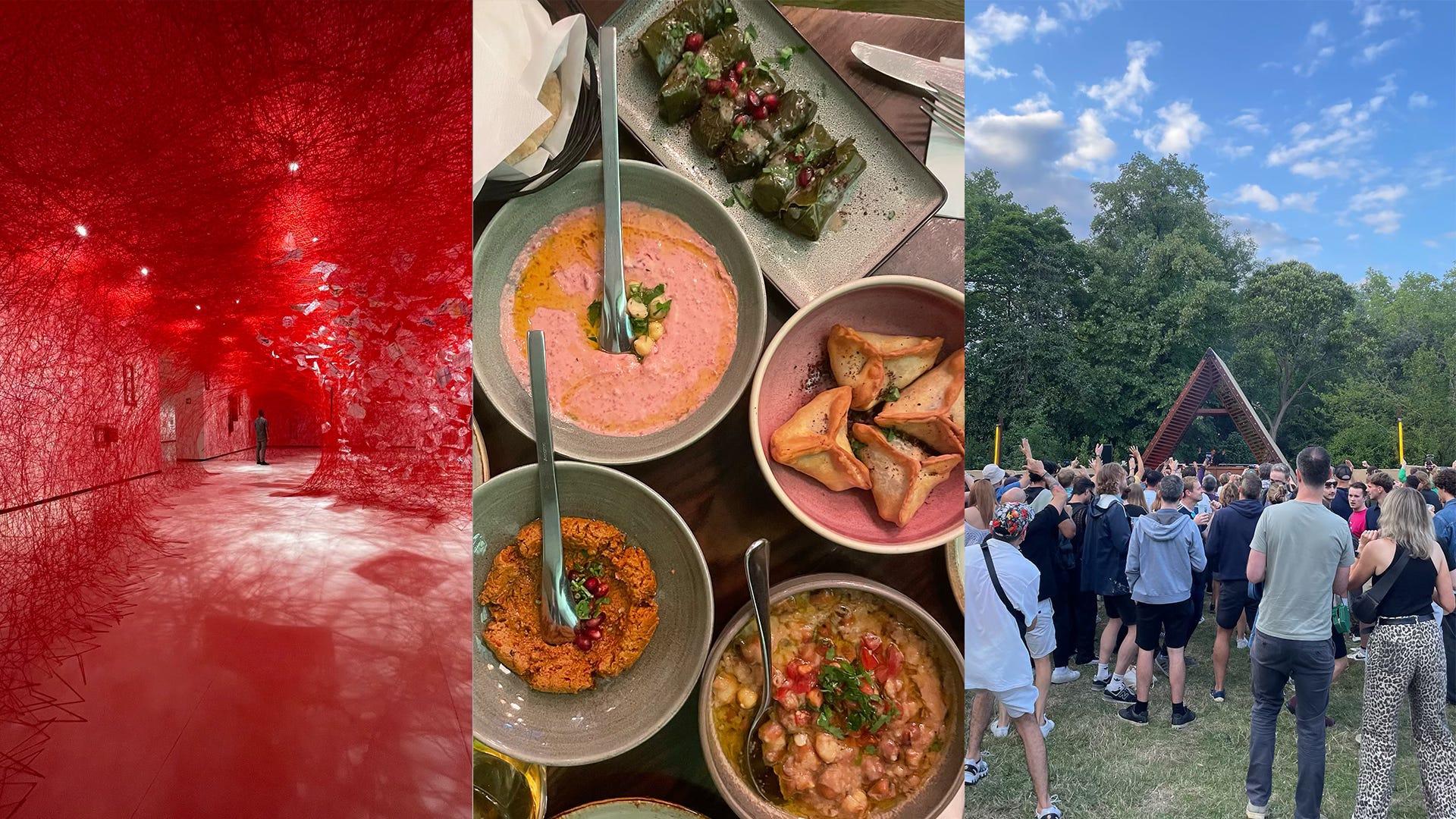
Artists however benefitted a lot from these online social networks in the early 2010’s. Social networks gave us artists the opportunity to share our work widely which suddenly opened up lots of avenues. My friends and I capitalised on this. I loved that my friends and I were being recognised globally, something that felt big in India at that time. The internet felt glorious and brimmed with potential. Creatives had a multitude of platforms (100 Day Projects, 36 Days of Type, Fashion seasons, Self Publishing, Zines) to be a part of. All of these were being interpreted by millions of Creators around the world at the same time. The energy felt palpable. Suddenly your work wasn’t restricted to being in your website portfolio hoping to be discovered.
Across disciplines of fashion, photography, illustration, art, new media, music, theatre, dance and writing; creatives could curate and create a world that felt enticing. Everyone wanted to be part of this enticing world and so social media followers came through dime a dozen. Spinning from this – quite a few creatives became full time Creators and some of us still perhaps use it as a space for exploration and work. Creating anything of value meant you could gain traction and followers. Over a few years, people who consistently created and built worlds became social media influencers. All you needed was good taste and could create some value and the world was your oyster. The more followers an influencer had, the more brands wanted to be seen with them; and with that followed a new way of creating money outside of the traditional funnel.
With money follows greater opportunities and a new way of how the world operates. The influencer economy was the birth of a new social class. It gave access to so many people to cross over and change their fortunes. Something a traditional funnel perhaps wouldn’t have. Suddenly, my value in society was proportionately linked to my social media followers. Never before was having a social presence more important. The greater the risk; the greater the reward. And while this new social class is not even two decades old; it influences how everyone operates consciously and unconsciously in today’s world.
Turning the clock back.
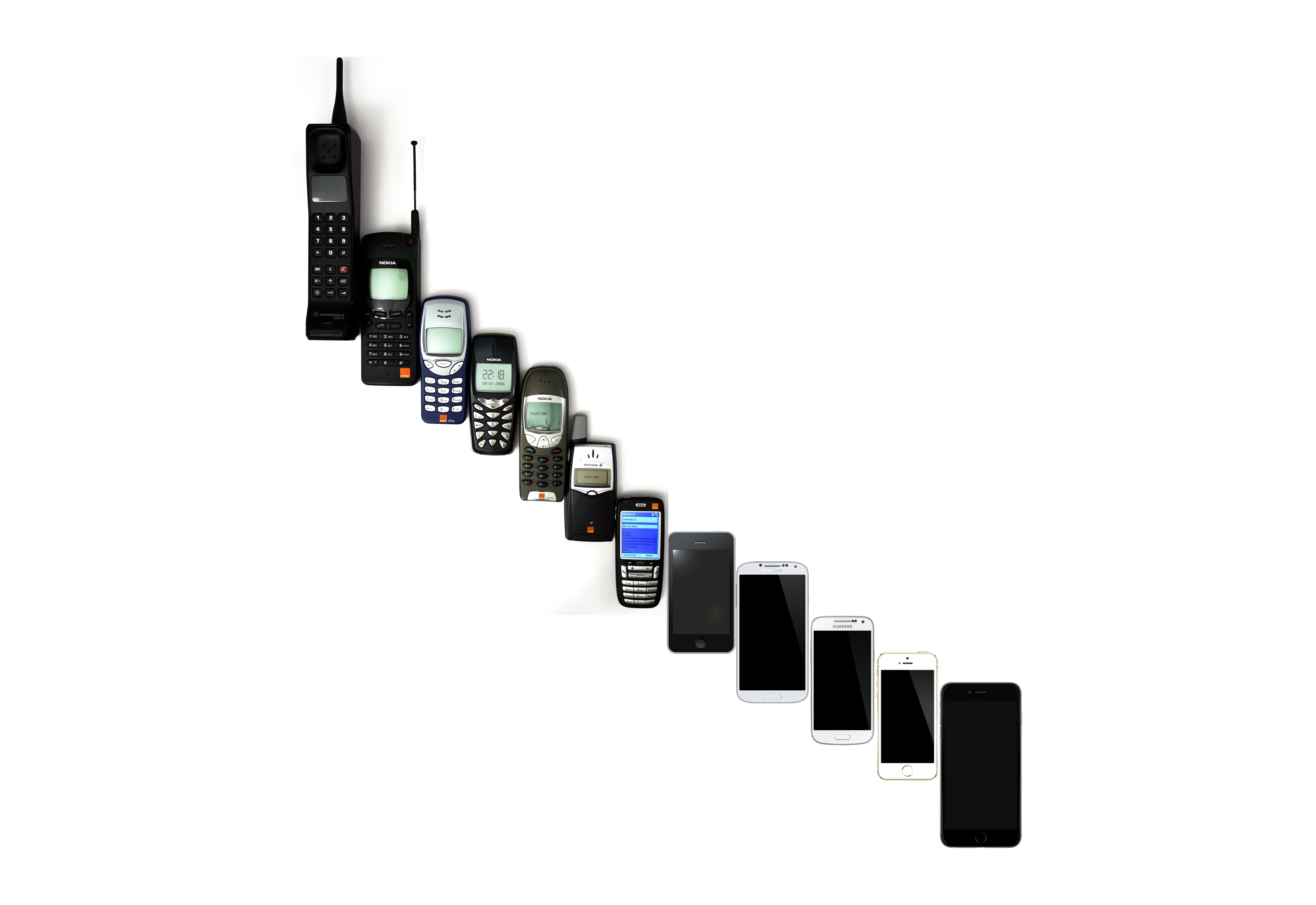
Hierarchy and social classes have existed for millennia. Aristocracy, caste systems, bloodlines, land ownership were all linked directly to wealth. Where you were born directly influenced how far you would go. In previous eras, crossing class lines required tangible assets - land, capital, marriage, education credentials. Some of these opportunities involved risks of moving to a new country or becoming an entrepreneur/inventor. Invention comes from creation. Most of the world as we know it exists because people have continued to problem-solve and create. From the invention of the wheel in the late neolithic age to the arms race of the industrial era; we as humans have come a very, very long way. In a very short span, we moved from having landlines to mobiles to always connected smartphones. Can you now imagine a world where you went to a restaurant to meet a friend and just had to wait to see if they show up? And in a rare case, if we had to assume they were late, how long would you suggest waiting? Asking for a friend, of course.
Human progress has involved countless acts of creation and innovation. So much of what we take for granted is a creation of some kind. Even if you don't think your job is 'creative', you've likely created something - a routine that works for you, a solution to a problem, maybe even a child. I believe that to be human is to create. But somehow in 2025, creation feels less like expression and more like performance.
Commodification.
If we have all been creators for pretty much most of existence, what does it even mean to be a Creator and work in a Creator economy?
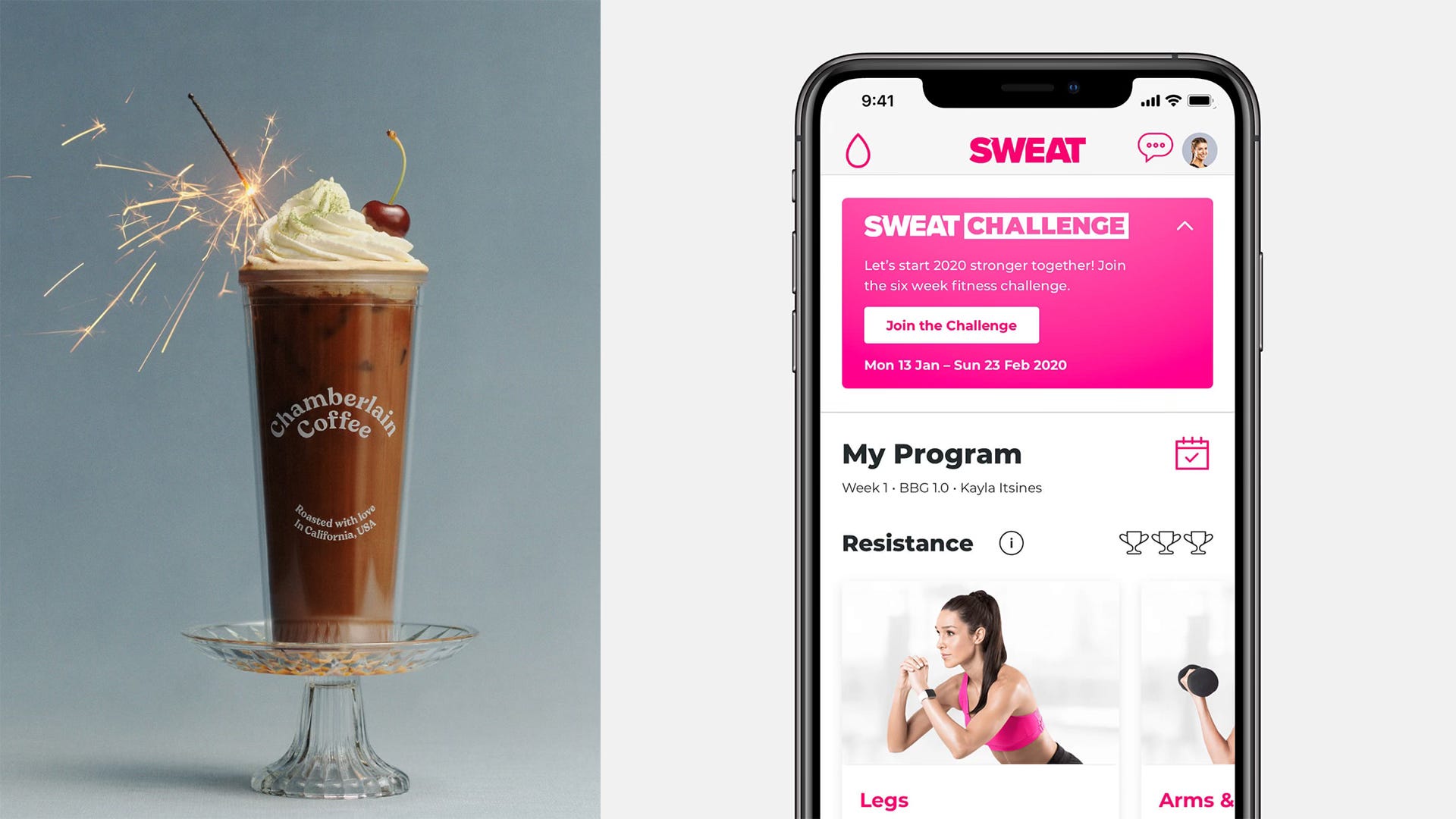
We live in a social era. Your online persona is much larger than your in-person persona (thanks Covid?). And most of us are navigating this as we go along. To navigate a new social class requires something more intangible and performative: the ability to package yourself as content. So creation has become tied to social mobility. A decade ago, sharing your work felt liberating, now it feels like there is an underlying awareness that everything you create is also content, that your personality is part of your personal brand. While the platforms democratised creativity, they created a performance and engagement metric that rewards consistency and constant creation. I see friends who are artists thinking about posting schedules as much as they think about their actual work. While the opportunity is real - you can build an audience and change your circumstances. But so is this strange new reality, ‘where your daily life becomes material’, where being authentic requires strategy. And this above is true for most entrepreneurs too. My family and friends who have businesses, have all in recent years had to build their brands online. Your product and you are interlinked so your presence as a founder/creator of the business demands you also indulge in the Creator Economy. Today, your vibe as a founder is as important as the vibe your product. Emotional engagement is a huge driver of purchase. TikTok Shop numbers should tell you everything about this. In the same vein, influencers have now rebranded themselves to be Content Creators – and they are building products and offers as they already have an audience. Take Sweat by Kyla Itsines and Chamberlain Coffee by Emma Chamberlain as proof of the pudding.
So, anyone that can tell a story and doesn’t mind climbing what is famously now known as cringe mountain are able to create and build their own personal brand and are hoping to take the internet by the storm. For a world population of 8 billion people, even if you find a few thousand people to listen to you, you’ve made a mark for yourself.
We have moved in a neat line from the commodification of products to commodification of people. Your side hustles, your many interests, your expertise in one specific segment – all become part of the performance culture. Is it safe to say that we have moved from proof of pudding to proof of having a pie?
So, when your social presence and network are combined together to reflect your social class, everyone is scrambling. To make it to the top of course. Humans (and animal kingdom) love hierarchies. While not everyone wants to dance on TikTok and make a joke of themselves, the proof here is that there are job listings for Head of CEO Content and Vibe Tweeter on Socials. At the time of writing, there were 297 ghostwriting jobs posted on Upwork! There is a whole article on LinkedIn Ghostwriting because thought leadership is the least offensive cringe mountain to climb.
Capturing attention (platform agnostic) is the new game to the survival of the fittest in the Creator Economy. And the real question isn’t whether we’re all Creators but whether we ever stop performing once we start. Because now it is not enough to know people to be invited to parties; it is your ability to consistently put out a curated package as a commodity that gets you invited to parties. Rhode’s summer party is proof of this new social class. It seems inevitable. But this is who we are now.
-
1 I’ve always loved a lot of different things about social media but as I am older, I now also understand the consequences.
There is a certain pleasure in waiting to be discovered? As a generation that didn’t have all the social media tools that today’s generation has, it did mean being more patient, less anxious. Eventually, we were discovered.