

Friction

I somehow find myself looking for a new challenge. And I’m wondering if rather than a challenge, I am looking for friction.
I grew up at a time when friction was the main fabric of Indian society. When you grow up with 22 national languages and 121 main spoken ones, friction is not something you encounter occasionally. You learn to navigate it because you have no other choice. The Indian subcontinent has been invaded by everyone from the Arabs to the Mughals to the Portuguese and British, and every influence has brought its own layer of friction into our society. How else can you explain that there are perfectly paved roads and manicured lawns in South Delhi that entirely give way to the narrow streets serving the best parathas and lassi in Old Delhi?
While there is a general belief that friction destroys, that it is what leads to conflict, to breakdowns, to things falling apart, I’m not entirely convinced that friction itself is the problem. It feels, more often, like a proxy. A convenient word for moments where tolerance runs out, or where fear and power start to dictate the terms of engagement.
Having a different point of view doesn’t make it wrong, only different. But difference requires something from us. In ancient Athens, isegoria and parrhesia were integral to democracy. The expectation was not agreement, but participation. Citizens were meant to speak, to challenge, to stay in the room with ideas that resisted them. When we say something rubbed us the wrong way, I wonder if what we’re actually describing is our unwillingness to stay with it. The Paris Salon worked the same way. It was not just about display, but about dialogue. To be rejected was not the end of the conversation, it was the beginning of another one. The Impressionists, turned away, started their own. Friction didn’t shut things down. It generated what came next.
We all know that there has always been value in intellectual sparring. Not agreement, but the productive discomfort of being challenged. The places that do interesting work tend to make space for pushback. Not to create conflict, but because ease is not the same as alignment.
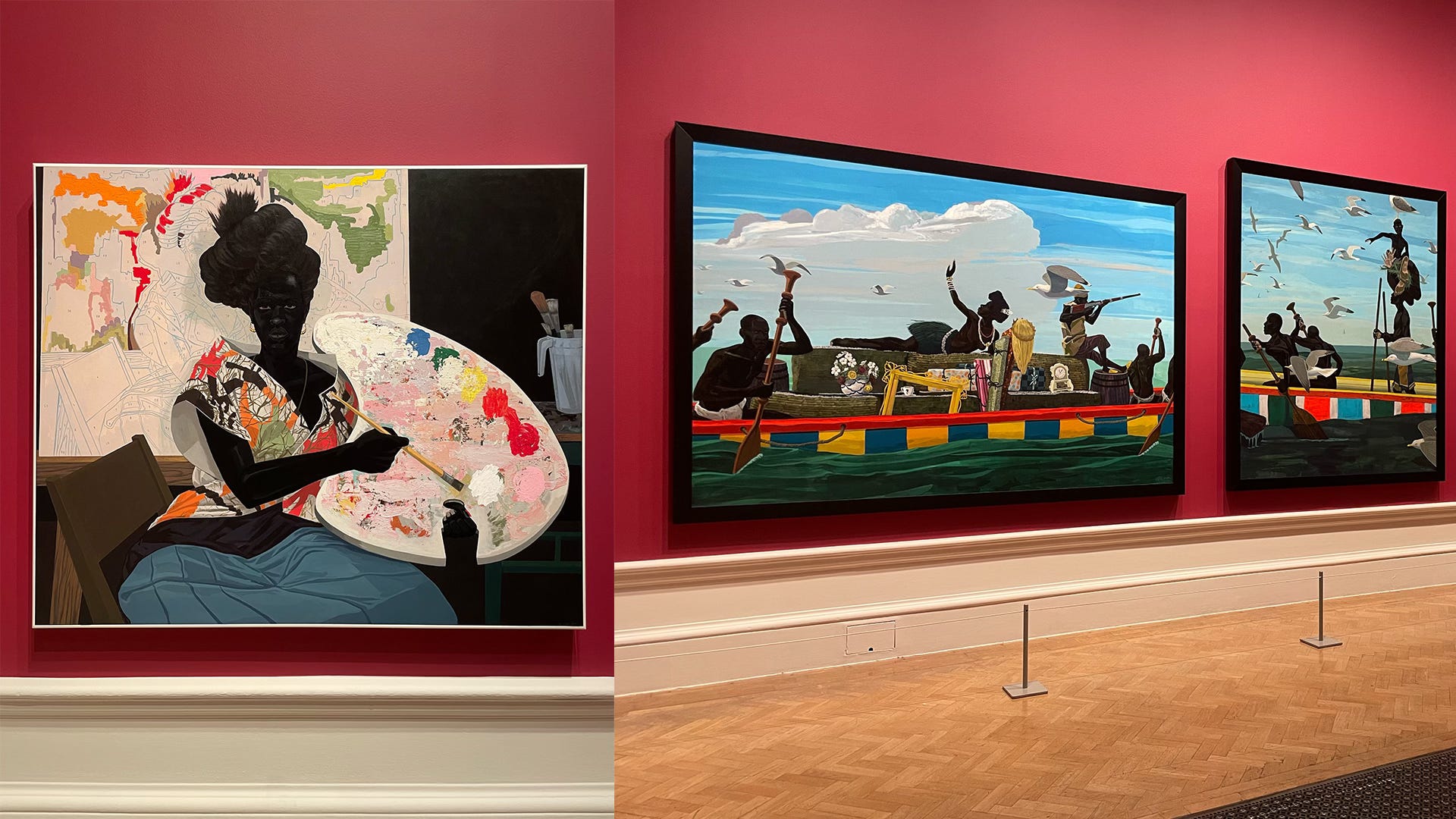
Friction creates interest. Ask any designer and they will tell you. The laws of space, light, colour, texture are designed to guide your eye. If everything blended into each other, it would be a sea of sameness. It is why even though Rothko painted simple blocks of colour, there is often a tension. It is why when you see a Mondrian, you focus on the shapes rather than the black lines cutting through. It is why a Picasso or a Matisse grabs your eye and holds it. And yet, we all seem to be trying to simplify our lives, make them easier, more uniform. We seem to be in the pursuit of removing character and making everything homogeneous. Glass buildings, seamless apps, AI doing our jobs. Once we remove friction entirely, what is going to intrigue us, pray?
Which is perhaps why AI has produced such an unexpected inversion. A few years ago, a typo in a presentation was grounds for embarrassment. Now, in certain circles, a grammatical error is almost a signal, proof that a human was here. AI removed the friction of imperfection so thoroughly that imperfection became the mark of authenticity. We went from perfection as the gold standard to human-ness as the gold standard, and we got there surprisingly fast.
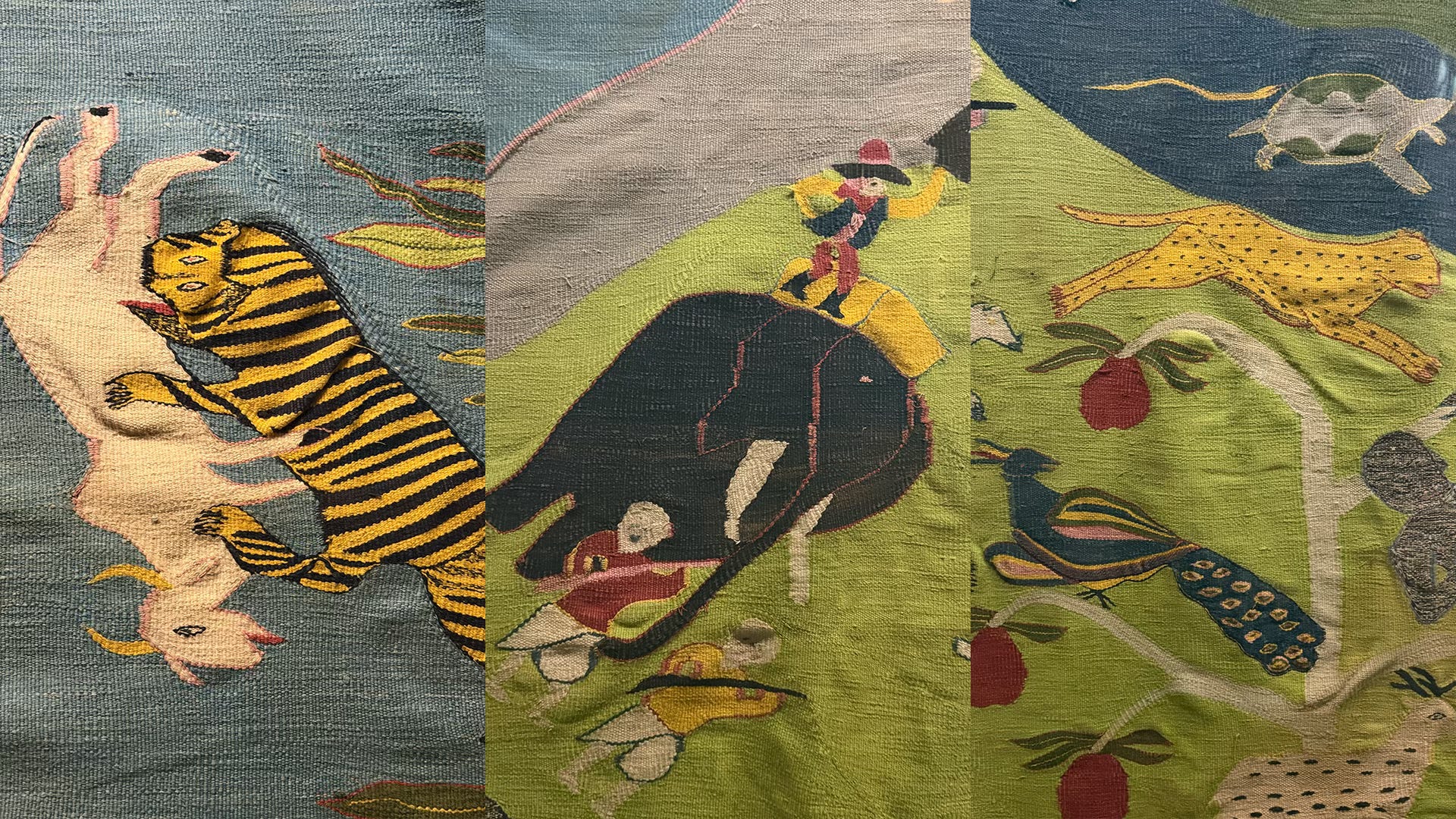
Removing friction is often associated with development. But friction is cyclical. The discomfort of living in a city, of distances that feel impossible, of time swallowed by commute, generates the demand for something better. And building that something better creates its own friction in turn. The Elizabeth Line took years, faced resistance, disrupted half of London during construction. And when it opened, it didn’t just connect places, it changed them. Areas that felt unreachable suddenly were not. I can get to Southall for parathas in twenty one minutes from central London. Mumbai’s Coastal Road faced significant pushback from environmental activists and is now all anyone talks about when you visit. Both projects were born from friction. Both sparked entirely new ways of moving through a city.
Dating apps removed the awkwardness of approaching someone across a room. The nervous drink, the misread signal, the conversation that went somewhere unexpected. We replaced all of that with a swipe, and somehow ended up with fewer meaningful connections, not more. Ease, it turns out, is not the same as intimacy. And because we no longer have the friction of physical labour built into daily life, we have manufactured an entire industry around putting it back. Protein supplements, fitness trackers, standing desks, cold plunges. We engineered the effort out and then paid to get it back in a more controlled, more optimised, more marketable form. It is the same irony as building cities where you must drive to the gym to exercise.
Online, the consequences are quieter but no less significant. Algorithms curate our feeds, influencers chase the same aesthetics, Pinterest has slowly flattened taste into a mood board of convergent desires. AI now shapes what we read, what we see, what we think is worth making. The result is a kind of groupthink so ambient we barely notice it. When discovery is optimised, you only ever find what you were already looking for.
Everyone knows I love the internet and yet, I’ve never quite gotten accustomed to online shopping. Somehow, the cycle of ordering and returning has become so ordinary to most of us that I wonder if anyone remembers the friction of going to a store, of not being entirely sure they had your size, of leaving with something you hadn’t planned on. I also think that Covid accelerated all of this across many parts of the world.
In India, more than e-commerce, quick commerce has become the cultural fabric of the country almost overnight. Everyone loves a Swiggy or a Blinkit, myself included. There is something genuinely useful about this, particularly in chaotic cities like Mumbai, Delhi or Bangalore where leaving the house has its own friction. But somewhere in the convenience of it all, we have stopped leaving to go anywhere. Everything that can be delivered home, must be delivered home. So why do I ever go out?
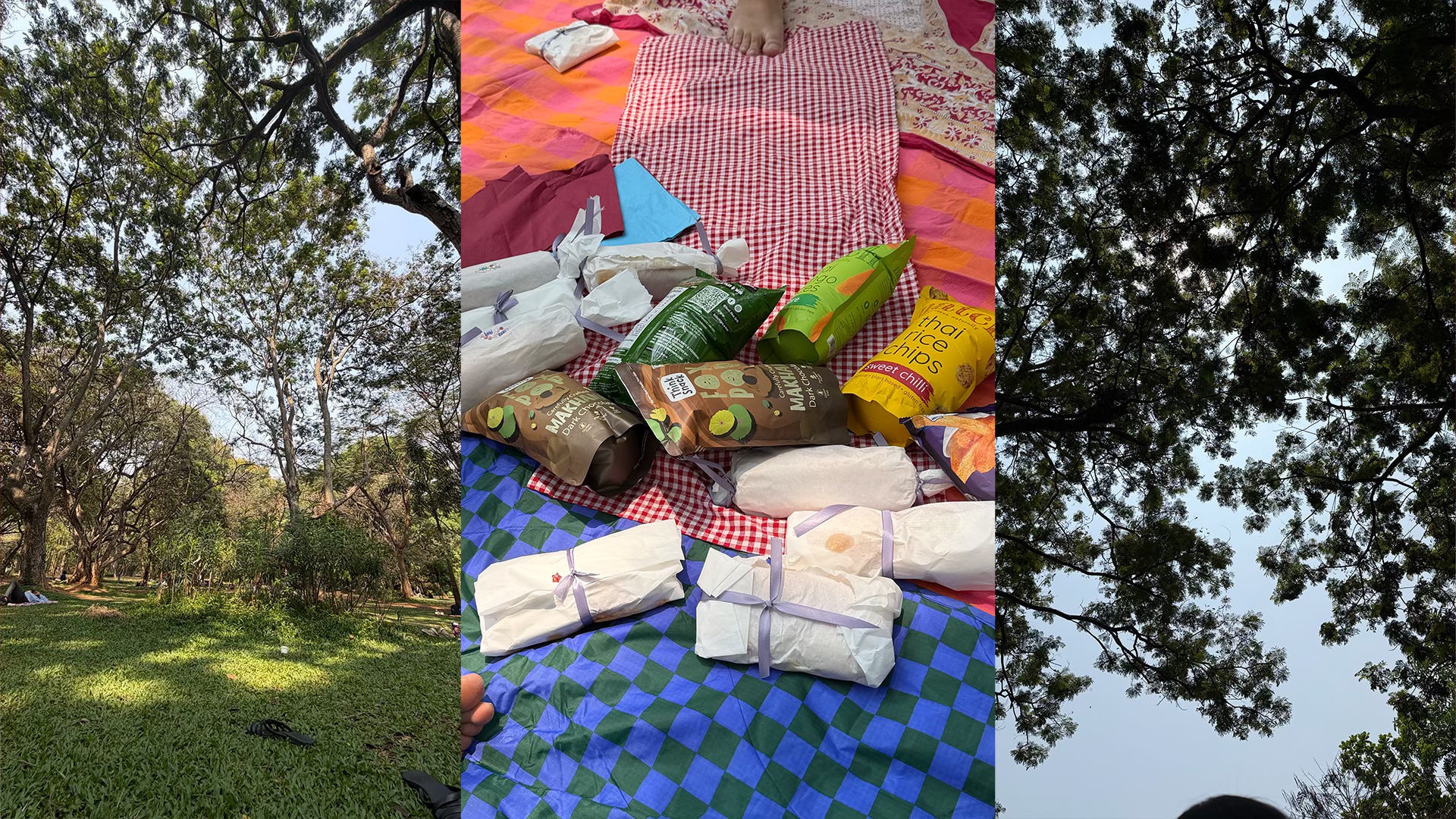
There is a reel doing the rounds about how the affluent class in India now defines itself through seclusion, privacy and curated experiences. It is when I realised that friction has not disappeared, it has only been redistributed. Recently, I’ve been to parties where five different things are ordered by five different people in five consecutive deliveries. We’ve eased friction to a point that labour has become invisible. Just because you can, doesn’t mean you must.
Privilege allows a certain set of people to decide that friction is not essential to them. But not everyone gets that choice.
Take passports for example. Travel is frictionless if you have a passport from Singapore, Japan, Sweden, UK among others in the top. For everyone else, there is endless repeat paperwork and a 2 hour long immigration queue to get to anywhere. And if you take something as simple as YouTube or Spotify. A paid subscription removes the friction of advertisements. But in a country like India without the safety net of minimum wage, many cannot afford them. The friction of interruption, of waiting, of making do, remains the daily reality for most.
Seamlessness is a luxury, and like most luxuries, it is rarely recognised as one by the people who have it.
Entire paths of design, technology and innovation have spent decades removing friction. And innovation rewards this. Seamless, frictionless, intuitive are the highest compliments any product can receive. But somewhere in the pursuit of seamlessness, I wonder if we have also removed the conditions that make us interesting to each other. Isn’t the experience of being human about creation, about connection, about growth? About becoming a different version of yourself through contact with something that resists you?
So where, exactly, does eliminating friction take us? Perhaps somewhere very smooth, very fast, and not particularly interesting.
Loved every bit of it
Love this one Pavi- one of your best yet