

Shopping

Everywhere I look, I’m being sold something.
I open Instagram and TikTok, and influencers are asking me to buy everything from peptide serums to air fryers to bread bags to shoes. I open my email and every brand is giving me a discount for being a loyal customer, though I can’t recall ever buying from them. I am in transit and there are posters and ads and hoardings. I’m getting coffee and there are more ads. On the train to Oxford to eat Sunday roast with a friend, three different people asked us if we were going to Bicester to shop. I went to the airport and got conned into paying £40 for supermarket sushi. I went to the supermarket to buy vegetables and ended up with chocolates, chips and a new flavour of yogurt because there was a deal. I went for a sports massage and the whole time they explained how I need to get lymphatic drainage done. I went to buy water and they tried to convince me carbonated flavoured water is better.
I’m tired.
Can anybody redirect me to a place where I am not being sold something? Why has shopping become so pervasive and intrusive? I don’t know if it is something we just do as opposed to something we enjoy doing. The word ‘shopping’ used to conjure something specific. Growing up in India, shopping was a ritual that had meaning. New clothes, shoes and toys happened on your birthday. Diwali meant a bit more spent on household things, new outfits for the family. Back-to-school shopping meant yearly books, stationery (a personal weakness), perhaps a new backpack. These weren’t everyday occurrences. They were occasions we looked forward to. Shopping for something new had weight. You could chart time through these moments. New shoes meant you were a cool kid. Mum getting a new kitchen appliance meant new dishes at dinner. New stationery meant you might actually be motivated with your studies this year. Shopping in the 80s and 90s was a modern ceremony, yes, but the ritual still had meaning.
Shopping has long been a symbol of social status. Thorstein Veblen named this in 1899 as conspicuous consumption. We buy not because we need things, but to display wealth. The theory is over a century old, but the scale has exploded. We’ve moved from shopping because we need something, or shopping for an occasion, to shopping for an identity. And marketers have been wildly successful in convincing us that our identity is shaped by the brands we choose. Remember De Beers’ ‘A Diamond Is Forever‘ campaign? Diamond engagement rings weren’t universal. De Beers made them so. They embedded a product into a romantic ritual. Now your diamond’s size is part of your identity. Shopping replaced the ritual and became the ritual.
Erewhon. Lululemon. Alo. The product is almost secondary to what wearing it signals. In early 2025, surveys found a large portion of Tesla owners reported feeling embarrassed1 to own the car because of Musk’s controversial political alignment, and many buyers began trading in their vehicles or reconsidering ownership, even at a loss, because of what the brand had come to signify about them. The car still gets you from point A to point B, but it also broadcasts who you are. At parties, people flex about flying private despite the environmental cost. It’s status shopping, just without a physical object to show for it. I’m realising we shop for so much more than physical goods now. Holiday destinations, hotels, room service, how often you fly. The act of shopping has expanded far beyond clothes, shoes, sunglasses. We’re shopping for who we are.
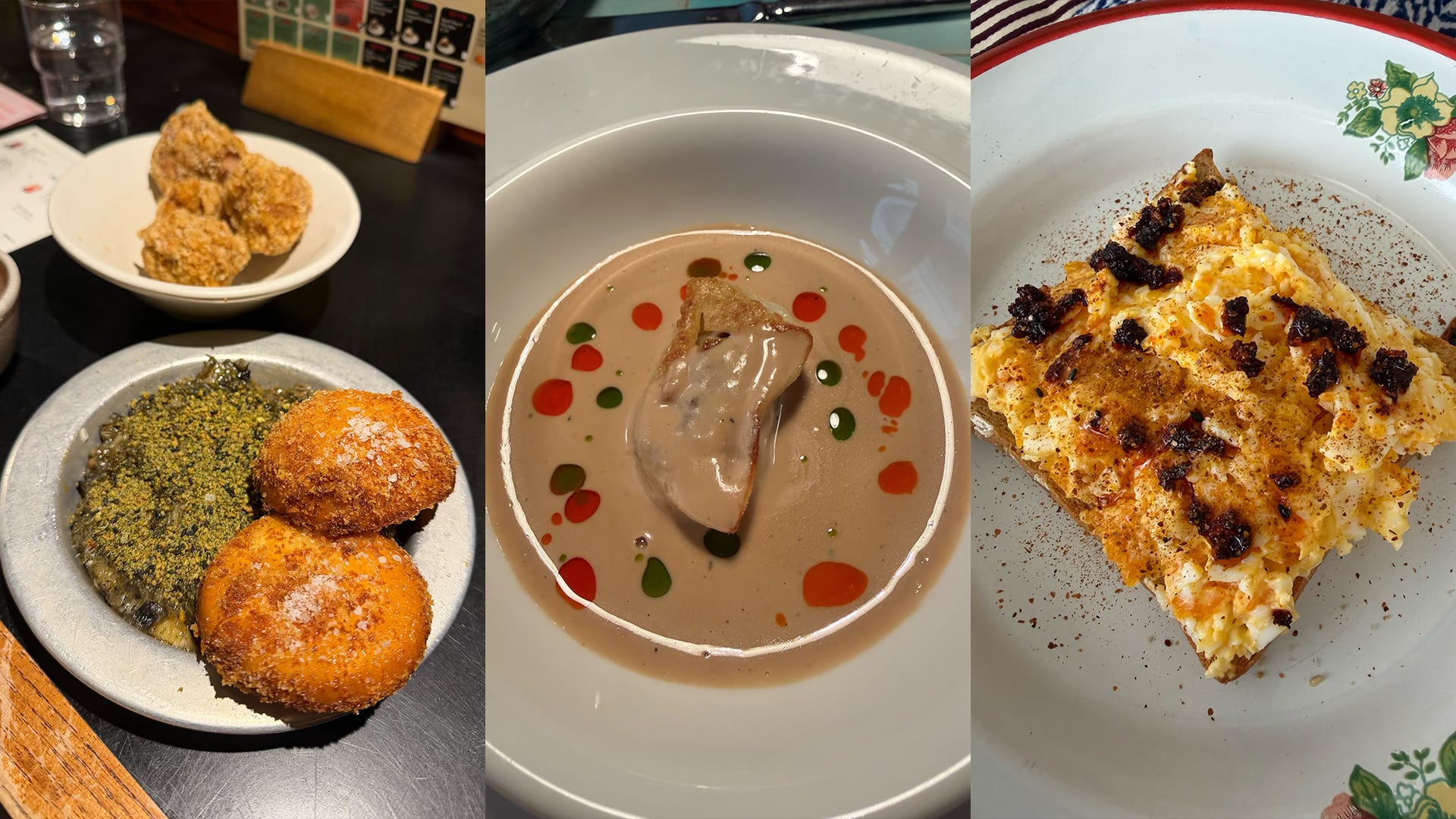
If marketers convinced us to shop for identity, designers made those identities impossible to resist. Think about the queues outside Glossier in New York and London, or the year-round lines at Off-White. These spaces aren’t just selling products. They’re selling proximity to a version of yourself you might want to become. Glossier designed stores that were Instagrammable2. The store itself became content while we became the creator. Apple does this too. All their product experiences, from unboxing to the ecosystem, make you feel like you’re part of something. Designers know how to weaponise psychology, creating desire not just for products but for the identities attached to them. Shopping has become a way to fill whatever void we’re carrying. We keep shopping, but what are we actually looking for?
Perhaps the searching itself has become the point. Everywhere online, people tell you to enjoy the process, not the outcome. You’re in a state of becoming. But if you’re always becoming, you never arrive. This has turned us into permanent projects. Perpetually incomplete, always needing improvement. Desire has become our default setting. Shopping feeds this perfectly: it promises the next version of you is just one purchase away. We’re convinced we’re not enough as we are. Because we’ve built our identities on brands, we’re perpetually vulnerable to the next trend, the next algorithm shift, the next cool thing. Shopping lives in the gap between who we are and who we’re told we should become and that gap never closes.
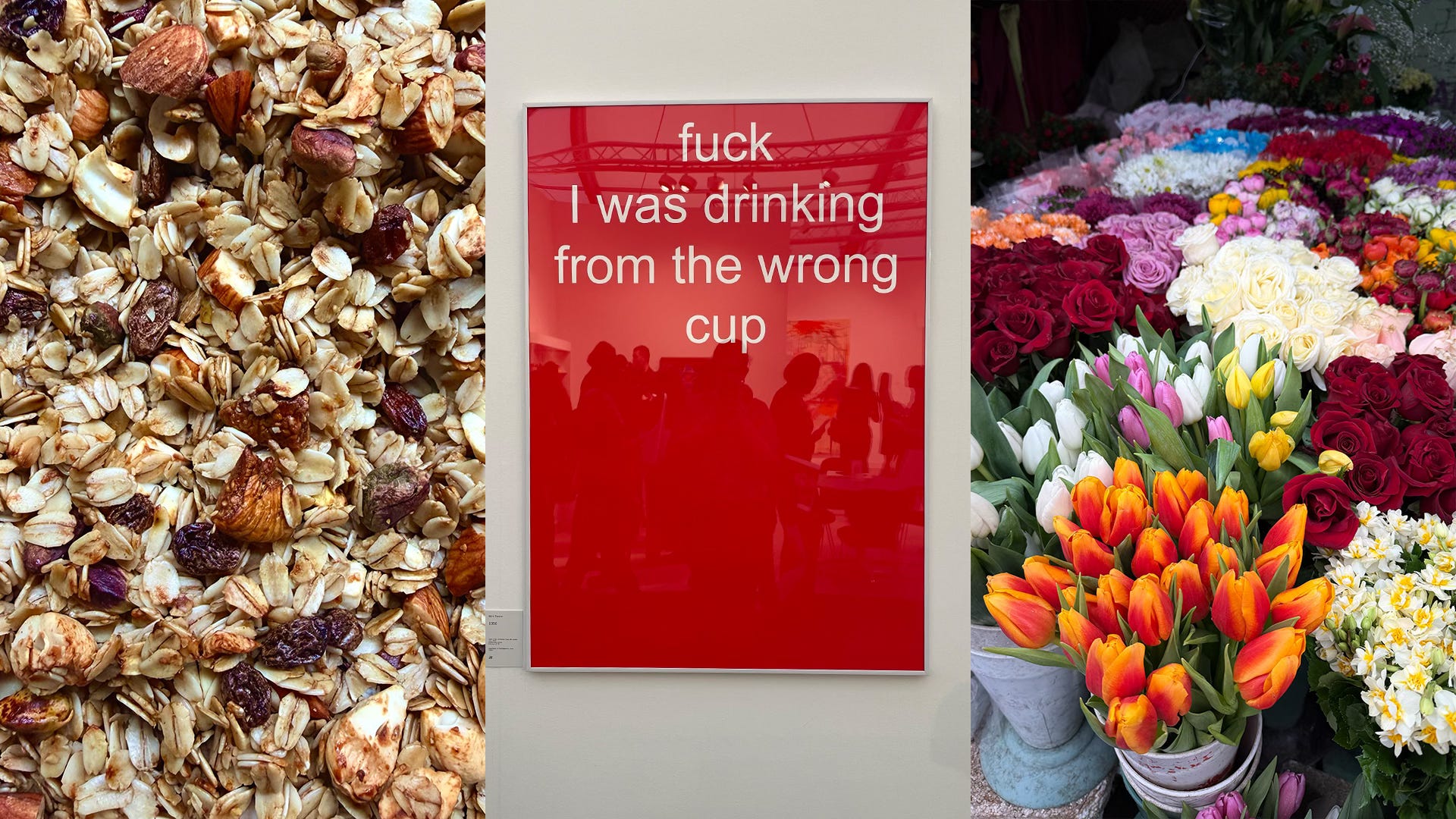
And even when we try to resist, we’re still shopping. The movement toward organic, local, handmade? It signals a different identity. One that is conscious, ethical, aware. We pay more at the farmer’s market or for organic fashion at a local brand because it feels more dignified than paying at a grocery chain or fast fashion, because we can see the person whose labour we’re compensating. But we’re still shopping for who we want to be.
In Talking to My Daughter About the Economy, Yanis Varoufakis charts how capitalism transformed markets from simple exchange into systems that colonise every aspect of life. Shopping started as trade, an exchange of goods in a marketplace. It became ritual, then identity, and now it reflects our values and politics. You vote with your wallet now. Which brands are ethical? Which values do they signal? Thrifting used to signal you couldn’t afford better. Now it signals you know better. Buy something new and you’re complicit. Even opting out becomes a statement. Not freedom from the system, but another position within it. Shopping has colonised even our attempts to escape it.
The ritual of shopping has dissolved entirely. Between Prime Days, Black Friday, Boxing Day, endless sales, there are no occasions left. Just constant availability. And without ritual, time flattens. The boundaries that gave shopping meaning have collapsed.
I recently saw someone boast about getting a new phone delivered in 10 minutes via quick commerce in India. Why do you need a phone in 10 minutes? We’ve stopped asking the question. Availability has become obligation. If we can buy it, we must. Treating yourself became a survival strategy. Shopping became socially acceptable self-soothing. Does anyone need a new phone every year? A new winter jacket? But we shop anyway, because we can, because it’s there, because what else would we do?
We used to measure our lives in milestones. Now we measure them in upgrades. Everything became replaceable. You don’t like this dress? There’s another. This supermarket? Another. This restaurant? Another. When everything can be swapped out, nothing feels special. We used to save for things. Now we refresh. Shopping didn’t just expand. It colonised. It colonised ritual, taking birthdays and festivals and turning them into sale seasons. It colonised identity, convincing us that who we are can be worn, driven, displayed, upgraded. It colonised resistance, so even our attempts to be ethical, minimal, conscious, local, become aesthetic positions within the same system. And finally, it colonised time itself. There are no more beginnings or endings, no anticipation, no waiting. Just constant availability. Constant becoming.
When everything is always available, nothing feels earned. When everything can be replaced, nothing feels rare. When identity can be purchased, it never settles. There is a gap between who we are and who we think we should be, between desire and satisfaction, between the purchase and the feeling we’re chasing. Shopping lives in that gap. So while we may be shopping, the cart never fills the gap.
I want to hear this rant in your voice
Every word of this rings so loud and true… as I was reading, I kept thinking, yes that’s why I am trying to escape and then you wrote even the escape attempts are colonised 😭😩… everything is marketing, marketing is everything.
For real who needs new phones in 10mins!? Phones were considered, researched, saved for, and now, here you go impulsively purchase it cause we can get it to you in 10mins!
Q-Comm has caused so many issues than it solves (sure it may be very handy in areas where you don’t have the kirana store, the xerox and stationery store, the little gift shop etc etc) but it’s fuelled instant gratification and no one thinks before hitting “add to cart”.
So many rants about this and the network of web this sits on.