

Offline

If you’re posting online about being offline, are you really offline?
Apparently, yes. At least according to my feed. The irony seems lost on many.
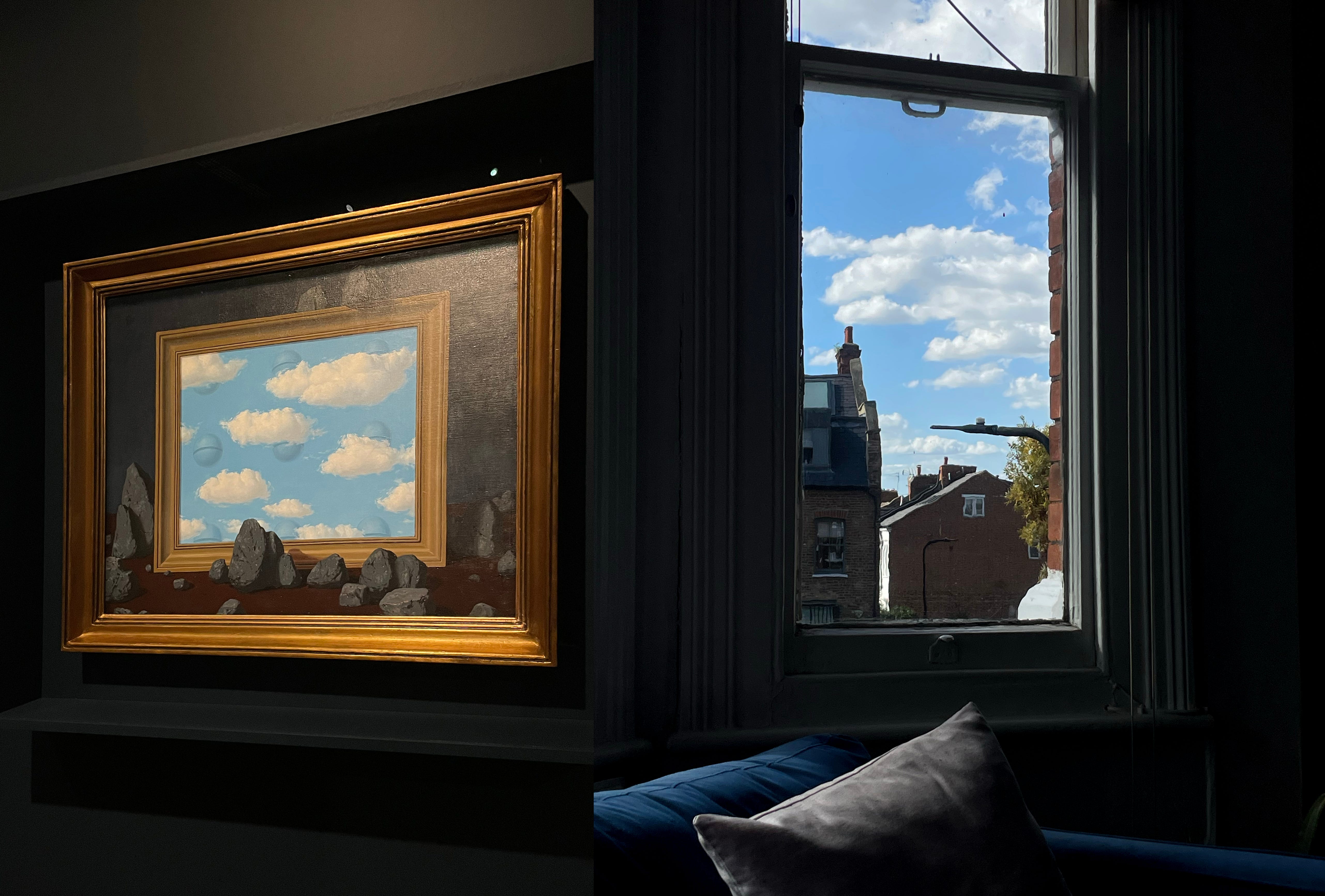
At the end of last year, Emily Sundberg curated a section for Feed Me asking the question ‘What were you doing when you felt most offline this year?’. I thoroughly enjoyed reading it and promptly thought about my most offline moment in 2025. Well, I had none. While I did spend a lot of my time in 2025 being present, calling it offline would be a stretch. The closest I came was half a day in Brussels without internet after my data plan ran out. I took pictures, wandered through the Magritte Museum, and sat down for an excellent coffee and lunch.
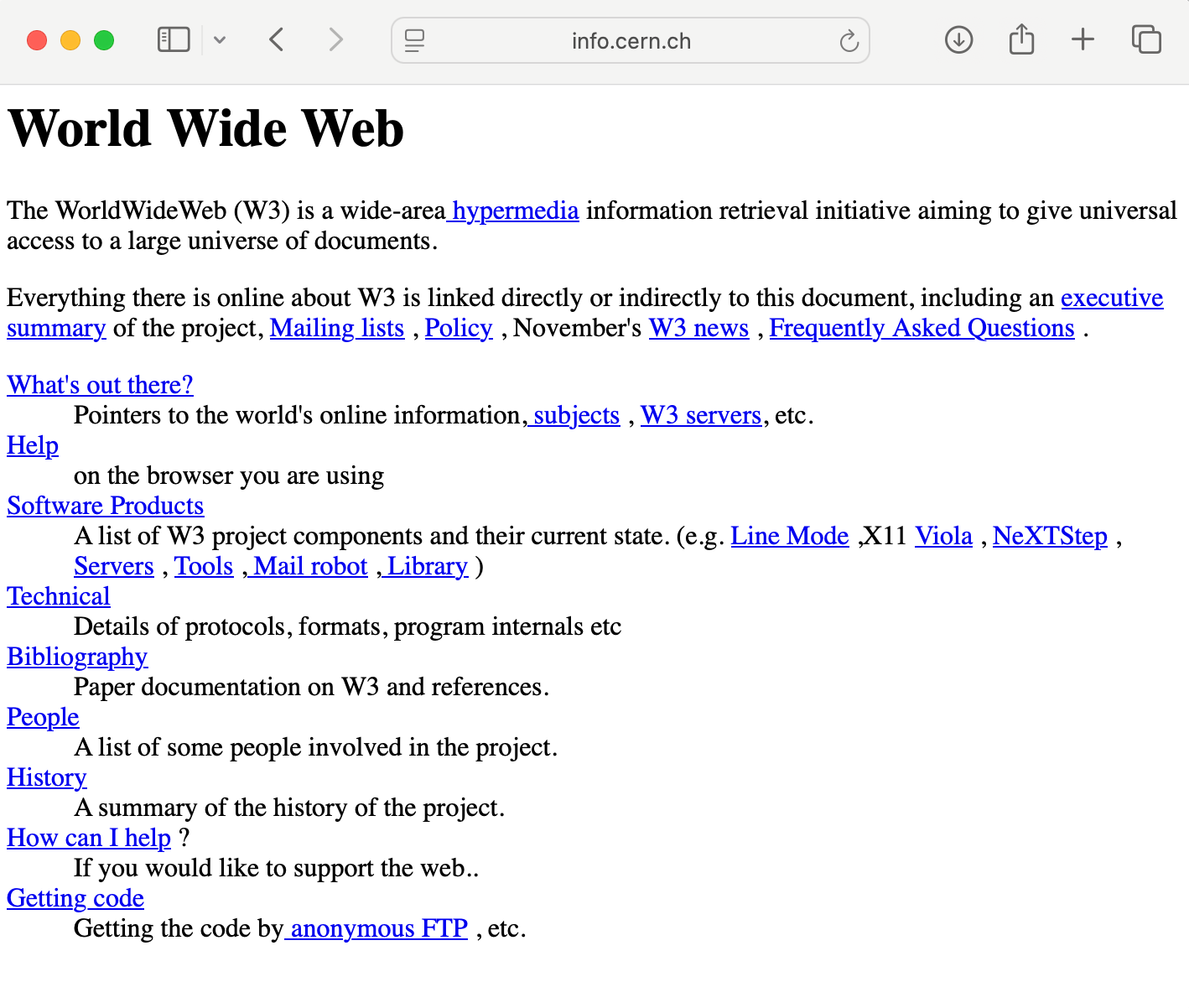
I’m unapologetically (not chronically1) online, and I have no qualms admitting it. I enjoy the internet. I always have. The internet’s birthday as it’s often cited, is January 1, 1983. The World Wide Web became publicly available in 1991 thanks to the British scientist Tim Berners-Lee. For the first decade that the internet existed, it allowed information to be easily accessible to anyone within a click. It democratised what was possible and created what is now known as the age of technology—a revolution like no other. Then came the birth of social media, beginning with Facebook, alongside the invention of the infinite scroll by Aza Ruskin. Together, beginning around 2006, they fundamentally changed our relationship with the internet as we know it today.
In Enshittification, Cory Doctorow talks about how today’s online monopolies attract users with bait such as free access or free experiences; then the activity is monetised, bringing in business customers and degrading the user experience; and finally, once everyone is trapped and competition has been eradicated, the platform wrings out all the value and transfers it to executives and shareholders. This model is seen across industries and products, from X to Meta to Amazon and even Apple. Building on this, I believe that today’s online experience has become a cycle of despair, where people are not only feeling a lack of value but a complete disregard for user experience, all while being told they are the most important part of the value chain. But are they really?
My creator friends and friends who run businesses recognise this and feel increasingly used within this cycle of despair. As a result, more people than ever before are choosing to be performatively online. It started more or less with the Creator economy, as we moved neatly from the commodification of products to the commodification of people. To counteract this need for constant performance, being offline has become a wellness choice for many people. Recently, I have seen so many people in my feed choosing exclusive getaways from Rest+Wild, Unplugged Rest, Unyoked weekend retreats without access to Wi-Fi or ones that involve locking away phones and forcing people to spend time in nature. Bricking your phones has similarly gained momentum, allowing for deep focus without distraction.
While I see this trend, I want to raise the question of privilege. Being unreachable has become a luxury only a few can afford. And being offline as an aesthetic choice is very different from being offline as a reality. As an Indian, I’m aware that India, while being a secular democracy, has had more internet blockages than any other country in the world. In a world where digital detox has become performance, we shouldn’t forget the tension between opting out and being shut out. For those with the privilege to choose, being offline has become a status symbol. But realistically, how many people can actually choose to be offline? How many of us can afford to miss emails, messages, or opportunities? If you are starting a business, are a solopreneur, or are a single parent with two jobs and two kids who need an escape from reality, can you even think about being offline?
The being offline movement is a modern-day paradox. We are caught in a world that runs online, making it functionally impossible to be offline.
This raises a more uncomfortable question: what does agency actually look like inside a system you cannot exit? Is control realistic, or just a softer, more palatable fantasy we tell ourselves in order to keep participating?
In choosing to be offline, we are tapping deep into nostalgia. We fondly imagine a time when the internet was unavailable or less invasive. For those who lived through it, the early internet felt magical. But nostalgia skews reality. It opens space for what ifs suspended in time. Being offline is effectively a suspension of time. A return to a past that never quite existed. For those performing their digital detox: Who are you when you’re not being perceived or tracked? What fills the void when the internet goes away? And when you return, because you will, what changed?
The world online today is entirely made up. Reality feels skewed as everyone is performing for the algorithm. Time has become increasingly distorted. In the AI boom, it is not only individuals performing for the algorithm, but bots performing for it too. How does one know what is real anymore?
I believe that being online is like eating sugar. Too much can give you a rush and make you run amok. Continuous exposure can make you behave like an addict. But without any of it, would you even experience joy? When the internet first came into being, it was like tasting sugar for the first time. Try giving sugar to a toddler and you will understand what I mean. Now we are caught in a cycle of addiction and continuous exposure, fuelled by Big Tech. Being offline feels like an early exploration along a path of resistance. People are tired of having no control within the system. After a long haul of exploitation, they want to know there is a way out of performing for the algorithm. Everyone has their way of regaining control and reclaiming their attention.2 Being chronically online feels like it’s driving up everyone’s cortisol and people are looking for a release, an escape. An opportunity to chase boredom instead of dopamine. For time to slow down while the world accelerates. A pause during extreme sensory overload. The offline movement gives people hope for an alternate reality. And because our social lives have moved online, even resistance to it happens there too. Which raises the question: to truly be offline, wouldn’t we need to rebuild our social lives offline first?
The paradox is not going away.
We will keep swinging between online and offline as we grapple with this new reality. Rather than performing our disconnection, we need to shift from building our identity online to building it offline. This way, we gain the power to choose what we consume, create, and share. The question is not whether you are online or offline. It is whether you are in control of how and why you are there.
Being chronically online refers to an, often, excessive immersion in internet culture, where digital life, social media, and online discourse warp an individual’s sense of reality, language, and social skills.
Matt Richardson suggests excellent ways to reclaim your attention without going entirely offline